
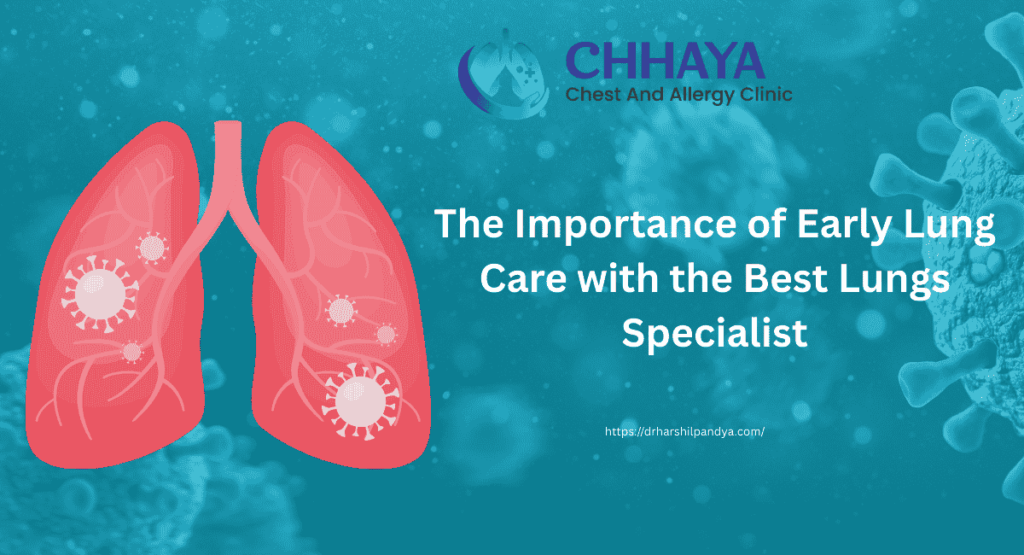
Respiratory health plays a decisive role in overall wellbeing, influencing energy levels, immunity, and long-term quality of life. The lungs work continuously, adapting to environmental exposure, physical exertion, and seasonal changes. When care is delayed, subtle symptoms can progress into chronic conditions that are harder to manage. Early evaluation and timely intervention remain essential, particularly in urban environments where pollution, allergens, and lifestyle factors increase respiratory strain. Access to the best lungs specialist in ahmedabad enables individuals to identify concerns early and establish preventive strategies before complications arise.
Rather than focusing only on illness, early respiratory care prioritises awareness, monitoring, and proactive management. This approach supports sustained breathing capacity and reduces the likelihood of advanced disease.
Understanding Early Lung Health
Early lung care extends beyond responding to visible symptoms. Many respiratory conditions develop gradually, presenting mild signs that are often overlooked. Shortness of breath, persistent cough, chest discomfort, or recurrent infections may appear manageable but can signal underlying issues requiring professional evaluation.
Timely assessment allows for baseline testing, lifestyle guidance, and monitoring plans. These steps help preserve lung function and prevent avoidable decline, especially for individuals with occupational exposure, smoking history, or genetic predisposition.
Key indicators that warrant early attention include:
- Ongoing breathlessness during routine activity
- Recurrent respiratory infections
- Persistent wheezing or chest tightness
- Reduced exercise tolerance
Addressing these signals early supports long-term respiratory stability.
The Role of Preventive Respiratory Care
Preventive care focuses on maintaining optimal function rather than treating advanced disease. Pulmonary screenings, spirometry tests, and imaging studies help establish a clear respiratory profile. These evaluations guide personalised care plans that account for age, environment, and medical history.
Preventive strategies often include environmental adjustments, breathing exercises, and targeted therapy where required. Such measures reduce exacerbations and enhance day-to-day comfort without aggressive intervention.
Early consultation with a lung specialist ahmedabad also supports informed decision-making, enabling individuals to understand risk factors and adopt healthier habits.
Managing Environmental and Lifestyle Factors
Modern living introduces multiple respiratory challenges. Airborne pollutants, indoor allergens, and occupational exposure place continuous demands on the respiratory system. Without appropriate guidance, these factors can accelerate functional decline.
Early lung care addresses these influences through education and targeted advice. Patients gain clarity on air quality management, allergen control, and protective measures suited to their daily routines.
Lifestyle modifications may include:
- Improving indoor ventilation and air filtration
- Managing exposure to allergens and irritants
- ncorporating breathing techniques into daily routines
- Adopting fitness practices that support respiratory endurance
These adjustments, when introduced early, significantly enhance respiratory resilience.
Early Detection and Chronic Condition Management
Conditions such as asthma, chronic bronchitis, and early-stage pulmonary disorders benefit greatly from early diagnosis. Identifying these conditions before progression allows for effective symptom control and reduces hospitalisation risk.
Early-stage management focuses on stabilisation rather than crisis response. With structured monitoring and tailored treatment, individuals maintain functional independence and consistent breathing patterns.
For many, searching for a lungs specialist doctor near me becomes the first step towards understanding unexplained symptoms and establishing long-term care pathways.
Diagnostic Accuracy and Monitoring
Accurate diagnosis underpins effective respiratory care. Early consultations often involve non-invasive tests that assess airflow, oxygen exchange, and lung capacity. These diagnostics provide clarity without imposing significant physical burden.
Regular monitoring ensures that subtle changes are detected promptly. This approach allows adjustments to care plans before symptoms escalate, preserving quality of life and reducing emergency interventions.
Monitoring also supports individuals with a family history of respiratory conditions, offering reassurance through structured oversight.
The Importance of Patient Education
Education forms a critical component of early lung care. Understanding how the respiratory system functions empowers individuals to recognise warning signs and respond appropriately.
Educational guidance may include inhaler techniques, breathing control methods, and awareness of trigger management. When patients are informed, adherence improves and outcomes remain more consistent.
Early education fosters partnership between patients and healthcare providers, encouraging shared responsibility for respiratory wellbeing.
Long-Term Benefits of Early Intervention
The advantages of early lung care extend across life stages. Individuals who prioritise respiratory health early experience improved stamina, fewer complications, and better adaptation to environmental stressors.
Preventive care reduces long-term treatment burden and supports active lifestyles well into later years. These outcomes reflect the cumulative effect of timely assessment, informed guidance, and consistent monitoring.
Early intervention also contributes to healthcare sustainability by reducing the need for intensive treatment later.
Integrating Respiratory Care into Overall Health
Respiratory health does not exist in isolation. It influences cardiovascular endurance, sleep quality, and immune function. Early lung care therefore complements broader wellness goals.
When respiratory efficiency improves, individuals often report better sleep, enhanced concentration, and increased physical confidence. These benefits reinforce the importance of addressing lung health as part of comprehensive care.
Conclusion
Early lung care represents an investment in long-term wellbeing, offering protection against progressive respiratory decline and enhancing everyday vitality. Through timely evaluation, preventive strategies, and patient education, individuals gain control over their respiratory health before challenges intensify.
For those seeking structured respiratory guidance, centres such as Chhaya Chest And Allergy Clinic highlight the value of early assessment and informed care planning. Choosing a trusted lungs specialist in ahmedabad supports proactive health management and sustained respiratory strength over time.

No comment