
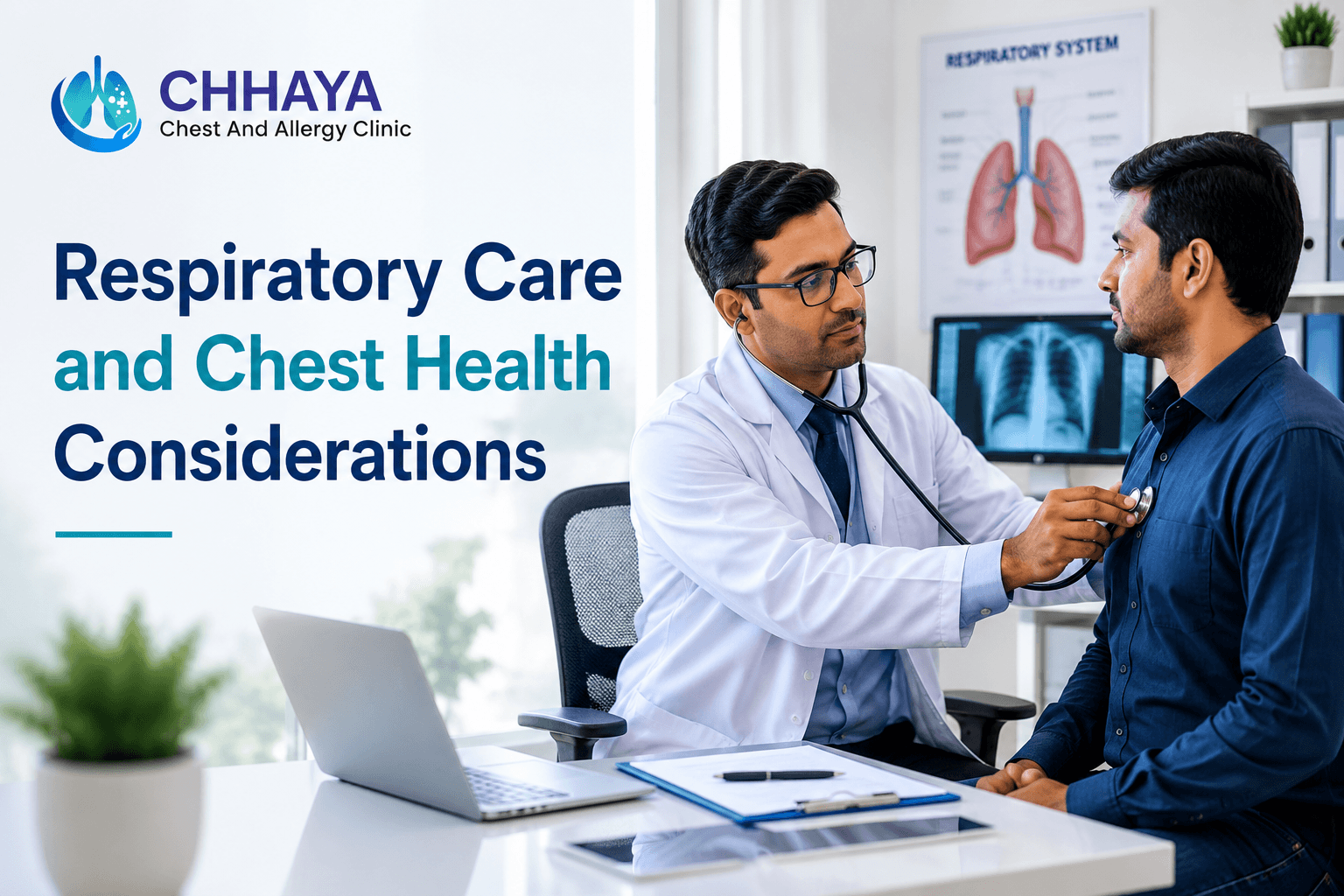
Respiratory health can influence energy levels, sleep quality, physical activity, and overall wellbeing. Persistent coughing, wheezing, breathlessness, chest discomfort, or recurring respiratory infections may require professional evaluation rather than self-management alone. A chest specialist in ahmedabad can assess symptoms, review medical history, and recommend appropriate investigations when necessary. Respiratory conditions can have many causes, ranging from allergies and infections to asthma and other lung-related disorders. Understanding when symptoms need attention and what a respiratory evaluation involves can help individuals approach their health more responsibly.
When to Consult a Chest Specialist Doctor
People considering a chest specialist doctor in ahmedabad may begin by identifying symptoms that are persistent, recurrent, worsening, or interfering with everyday activities. Occasional respiratory symptoms can have relatively simple causes, but repeated or unexplained problems deserve appropriate medical assessment.
Common concerns that may warrant evaluation include:
- Persistent or recurrent cough
- Shortness of breath during routine activities
- Wheezing or noisy breathing
- Repeated chest infections
- Chest tightness associated with breathing
- Breathing difficulties during exercise
- Persistent mucus production
A consultation generally begins with a discussion of symptoms, their duration, possible triggers, previous illnesses, medications, and relevant lifestyle factors. Depending on the findings, a healthcare professional may recommend further examination or diagnostic testing.
The objective is not simply to identify a disease but to understand the possible cause of symptoms and determine an appropriate management approach.
Understanding Common Respiratory Concerns
Respiratory symptoms can occur because of different conditions, and similar symptoms may appear across several disorders. For this reason, professional assessment is important when symptoms do not resolve or repeatedly return.
| Respiratory Concern | Possible Areas of Evaluation |
| Persistent cough | Infection, asthma, allergy, airway irritation |
| Wheezing | Asthma, airway narrowing, other respiratory conditions |
| Breathlessness | Lung, airway, cardiovascular, or other causes |
| Recurrent infections | Infection history and underlying risk factors |
| Chest tightness | Respiratory and other possible causes |
| Excess mucus | Airway inflammation or infection |
These examples are not diagnoses. A healthcare professional needs to consider the individual’s complete clinical picture before determining the cause.
Environmental exposure can also influence respiratory symptoms. Dust, smoke, pollution, workplace irritants, seasonal allergens, and indoor air quality may contribute to discomfort in susceptible individuals.
How Respiratory Evaluation Supports Better Care
A respiratory evaluation can help establish a clearer understanding of symptoms. The assessment may involve physical examination, oxygen-level measurement, lung function testing, imaging, laboratory investigations, or other procedures when clinically appropriate.
The exact tests depend on the symptoms and suspected condition. For example, lung function assessment can provide information about airflow, while imaging may be considered when structural problems or certain infections need to be investigated.
Patients can make consultations more useful by keeping track of:
- When symptoms began
- How frequently they occur
- Potential environmental or seasonal triggers
- Changes in exercise tolerance
- Previous respiratory diagnoses
- Current medicines and supplements
This information can help the healthcare professional understand patterns that may not be apparent during a single consultation.
Chest and Allergy Specialist Considerations
Individuals searching for a chest and allergy specialist near me may benefit from considering both respiratory and allergic factors when symptoms overlap. Allergies can contribute to nasal congestion, sneezing, coughing, wheezing, and other respiratory complaints in susceptible individuals. However, not every respiratory symptom is caused by an allergy.
An appropriate evaluation may distinguish between allergic and non-allergic triggers. Depending on the clinical situation, assessment may include allergy history, examination, allergy testing, or respiratory investigations.
Important factors to discuss include:
- Seasonal changes in symptoms
- Exposure to dust or pollen
- Reactions around animals
- Workplace exposures
- Smoking or second-hand smoke exposure
- Previous asthma or allergy symptoms
Identifying patterns can help guide appropriate management. Patients should avoid assuming that recurring breathing problems are simply allergies without professional assessment, particularly when symptoms are severe, persistent, or progressively worsening.
Supporting Long-Term Respiratory Health
Managing respiratory health often involves more than treating symptoms when they occur. Depending on the condition, a healthcare professional may recommend medication, trigger reduction, lifestyle adjustments, monitoring, vaccination, pulmonary rehabilitation, or other interventions.
Individuals can support respiratory wellbeing by avoiding tobacco smoke, reducing exposure to known irritants, maintaining appropriate physical activity when medically suitable, and following prescribed treatment plans.
People with diagnosed respiratory conditions should also understand their management plans and know when symptoms require additional medical attention. Sudden or severe breathing difficulty, significant chest pain, bluish lips, confusion, or other serious symptoms require urgent medical assessment.
Conclusion
Good respiratory care begins with recognising persistent or unusual symptoms and seeking appropriate professional evaluation. Because cough, wheezing, breathlessness, and chest discomfort can have multiple causes, an individualised assessment is important before treatment decisions are made. Maintaining awareness of environmental triggers, following medical guidance, and monitoring recurring symptoms can support responsible long-term respiratory care. For those seeking information about a best chest specialist in ahmedabad, Dr.harshilpandya can be considered in the context of professional respiratory assessment and personalised care.
FAQs
1. When should someone consult a chest specialist?
Persistent cough, recurring respiratory infections, unexplained breathlessness, wheezing, or other ongoing chest-related symptoms may warrant professional evaluation.
2. Can allergies cause respiratory symptoms?
Yes. Allergies can affect the upper and lower airways in susceptible individuals, but respiratory symptoms can have many other causes.
3. What happens during a respiratory consultation?
The healthcare professional generally reviews symptoms and medical history, performs an examination, and determines whether additional tests are appropriate.
4. Are lung function tests always necessary?
No. The need for testing depends on symptoms, medical history, examination findings, and the condition being considered.
5. Can respiratory symptoms be prevented?
Some risks can be reduced by avoiding tobacco smoke and known irritants, following prescribed treatment, and managing identified triggers appropriately.


No comment