
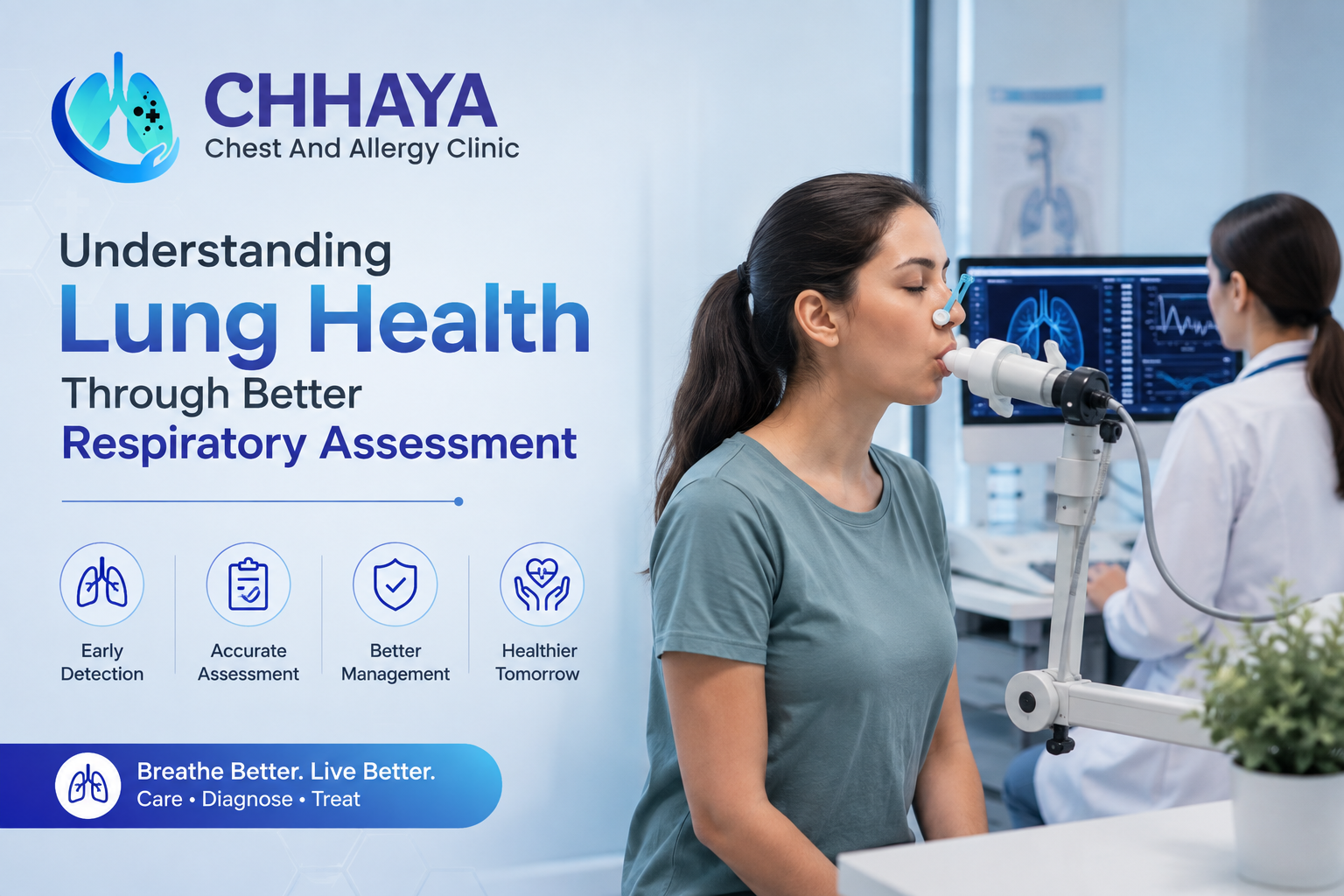
Healthy lung function is important for everyday activities, physical endurance, sleep, and overall wellbeing. Persistent coughing, breathlessness, wheezing, unusual fatigue during activity, or recurring respiratory problems can sometimes indicate an underlying condition that needs professional evaluation. A pulmonary specialist in ahmedabad can assess respiratory symptoms, review relevant medical history, and determine whether further investigations are appropriate. Understanding lung function, diagnostic procedures, possible respiratory conditions, and long-term management can help individuals make informed decisions about their health while avoiding assumptions based solely on symptoms.
Why PFT Testing Matters for Lung Function
People searching for pft testing near me may first want to understand what pulmonary function testing involves. PFTs are a group of breathing tests that provide information about how well the lungs move air and, depending on the test, how effectively they transfer gases.
Spirometry is one of the most commonly used pulmonary function tests. It measures the amount of air a person can exhale and how quickly it can be expelled. Other tests may assess lung volumes or gas transfer when clinically indicated.
PFTs may be useful when evaluating concerns such as:
- Persistent cough
- Unexplained breathlessness
- Wheezing
- Reduced exercise tolerance
- Suspected asthma
- Certain chronic lung conditions
- Monitoring changes in respiratory function
The exact tests required depend on the patient’s symptoms and medical history. Results should be interpreted by an appropriately qualified healthcare professional rather than viewed as an isolated number.
What Respiratory Testing Can Reveal
Respiratory investigations help healthcare professionals distinguish between different possible causes of breathing difficulties. Symptoms alone may not always reveal whether a problem involves airflow limitation, reduced lung volume, airway inflammation, infection, or another factor.
| Assessment | Information It Can Provide |
| Spirometry | Measures airflow and exhaled volume |
| Lung volume testing | Assesses the amount of air the lungs can contain |
| Diffusion testing | Evaluates aspects of gas transfer |
| Oxygen measurement | Indicates blood oxygen saturation |
| Chest imaging | Can provide structural information |
| Clinical examination | Helps interpret symptoms and physical findings |
Not every patient needs every investigation. A healthcare professional selects tests according to the clinical question being considered.
Test preparation can also vary. Patients may receive specific instructions regarding medicines, food, exercise, or smoking before certain assessments. Following these instructions can help ensure that results are interpreted appropriately.
Recognising Symptoms That Need Evaluation
Respiratory symptoms can range from temporary discomfort to signs of a condition requiring ongoing care. The duration, severity, frequency, and circumstances surrounding symptoms are important when deciding whether medical evaluation is appropriate.
Individuals should pay attention to changes such as:
- Breathlessness during activities that were previously comfortable
- Cough that persists or repeatedly returns
- Wheezing or unusual breathing sounds
- Difficulty exercising because of breathing problems
- Recurring respiratory infections
- Symptoms that worsen around particular environmental exposures
A symptom diary can sometimes help identify patterns. Recording when symptoms occur, possible triggers, activity levels, and accompanying symptoms may provide useful information during a consultation.
Sudden severe breathing difficulty, significant chest pain, fainting, confusion, or bluish lips require urgent medical attention rather than routine appointment-based assessment.
Understanding the Role of a Pulmonary Specialist
A pulmonary specialist doctor focuses on diseases and disorders affecting the lungs and respiratory system. The evaluation may involve a detailed history, physical examination, review of previous test results, and additional investigations when necessary.
Respiratory conditions can include asthma, chronic obstructive pulmonary disease, certain infections, sleep-related breathing disorders, interstitial lung conditions, and other disorders affecting lung function. Each requires a different approach, which is why identifying the underlying cause is important.
During an evaluation, patients may be asked about:
- Previous respiratory illnesses
- Smoking or second-hand smoke exposure
- Occupational or environmental exposures
- Allergies and seasonal symptoms
- Medication use
- Exercise tolerance
- Sleep-related breathing difficulties
This information can help establish whether symptoms may be related to the lungs, airways, environmental factors, or another medical issue.
Supporting Long-Term Lung Health
Respiratory health management often involves a combination of medical care and practical lifestyle measures. The appropriate approach depends on the underlying condition and should be individualised.
General measures may include avoiding tobacco smoke, reducing exposure to known irritants, maintaining suitable physical activity, following prescribed treatment, and attending recommended follow-up appointments.
People with diagnosed respiratory conditions can also benefit from understanding their treatment plans. Knowing how and when prescribed medicines should be used, recognising changes in symptoms, and understanding when medical advice is needed can support safer long-term management.
Preventive measures may also be relevant. Vaccination, workplace protection, appropriate environmental controls, and management of known allergies can form part of respiratory health planning when medically appropriate.
Conclusion
Understanding respiratory symptoms and evaluating lung function appropriately can support earlier recognition and better management of potential pulmonary conditions. Pulmonary function testing, clinical assessment, imaging, and other investigations may each provide different information, with the choice depending on the individual’s circumstances. Maintaining healthy habits and following professional medical guidance are also important components of long-term respiratory care. For individuals researching a best pulmonary doctor near me, Dr.harshilpandya can be considered within the broader context of professional pulmonary evaluation and respiratory health management.
FAQs
1. What is a pulmonary function test?
A pulmonary function test measures aspects of lung performance, including airflow and the amount of air the lungs can move. Different tests provide different types of information.
2. When might a doctor recommend PFTs?
They may be recommended for persistent breathing symptoms, suspected respiratory conditions, unexplained breathlessness, or monitoring of an established condition.
3. Does every cough require pulmonary testing?
No. The need for testing depends on the duration and characteristics of the cough, associated symptoms, medical history, and clinical examination.
4. Can lung function change over time?
Yes. Lung function can change because of age, respiratory diseases, smoking, environmental exposure, treatment, and other factors.
5. How can people support their lung health?
Avoiding tobacco smoke, limiting exposure to harmful irritants, following appropriate medical advice, maintaining suitable activity, and addressing persistent symptoms can support respiratory health.


No comment